GoRaiding
Mobile-first raid organization platform for World of Warcraft players.
Product Idea
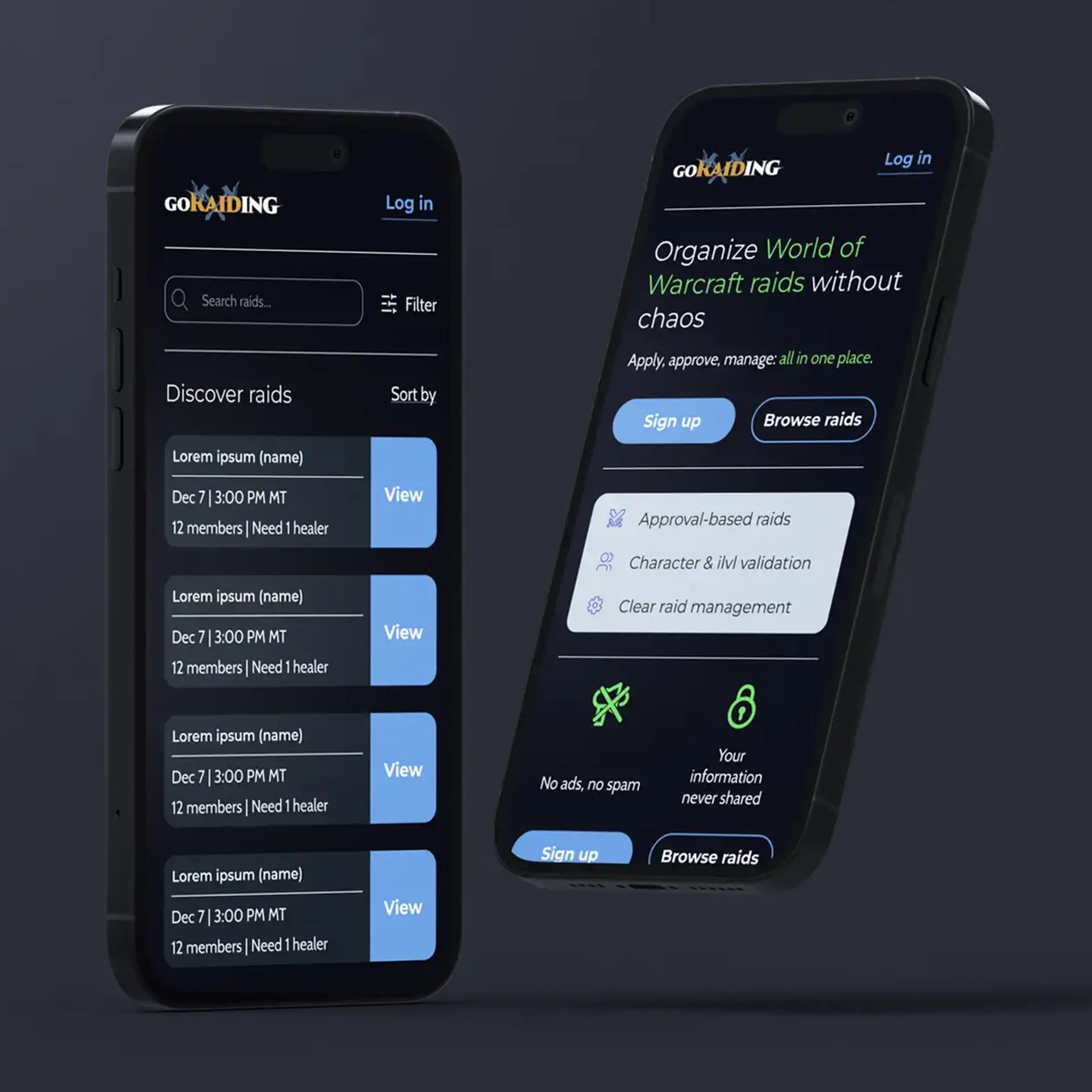
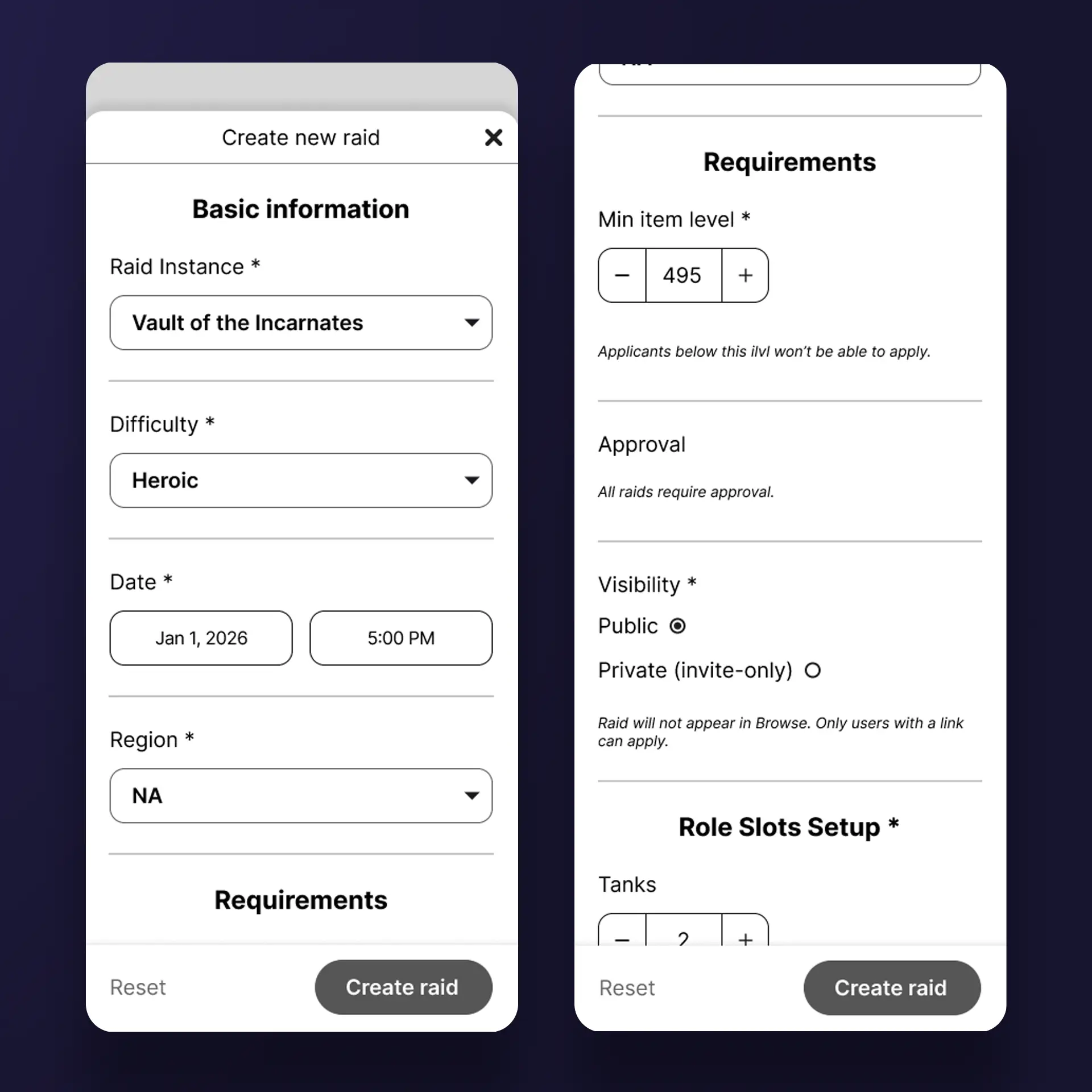
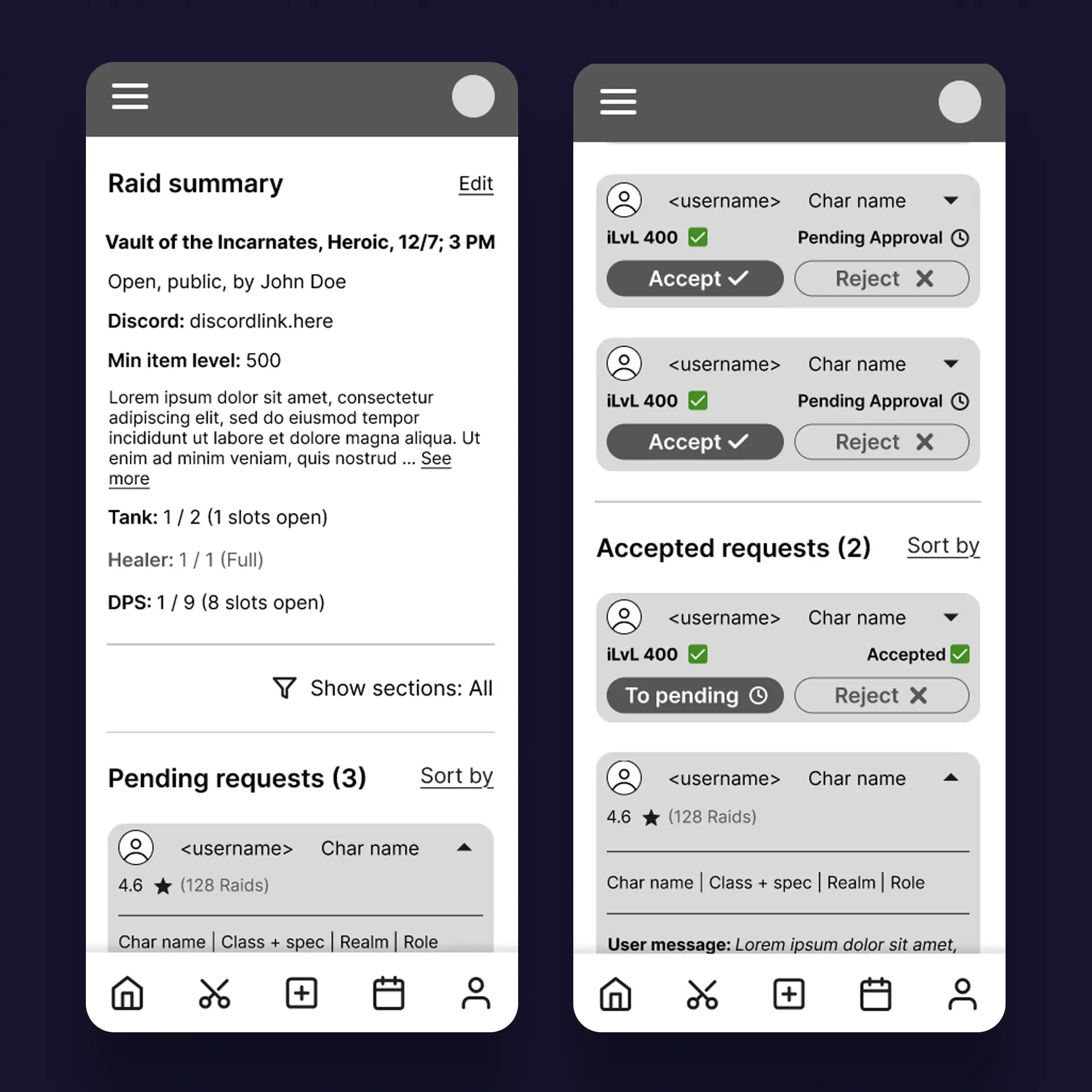
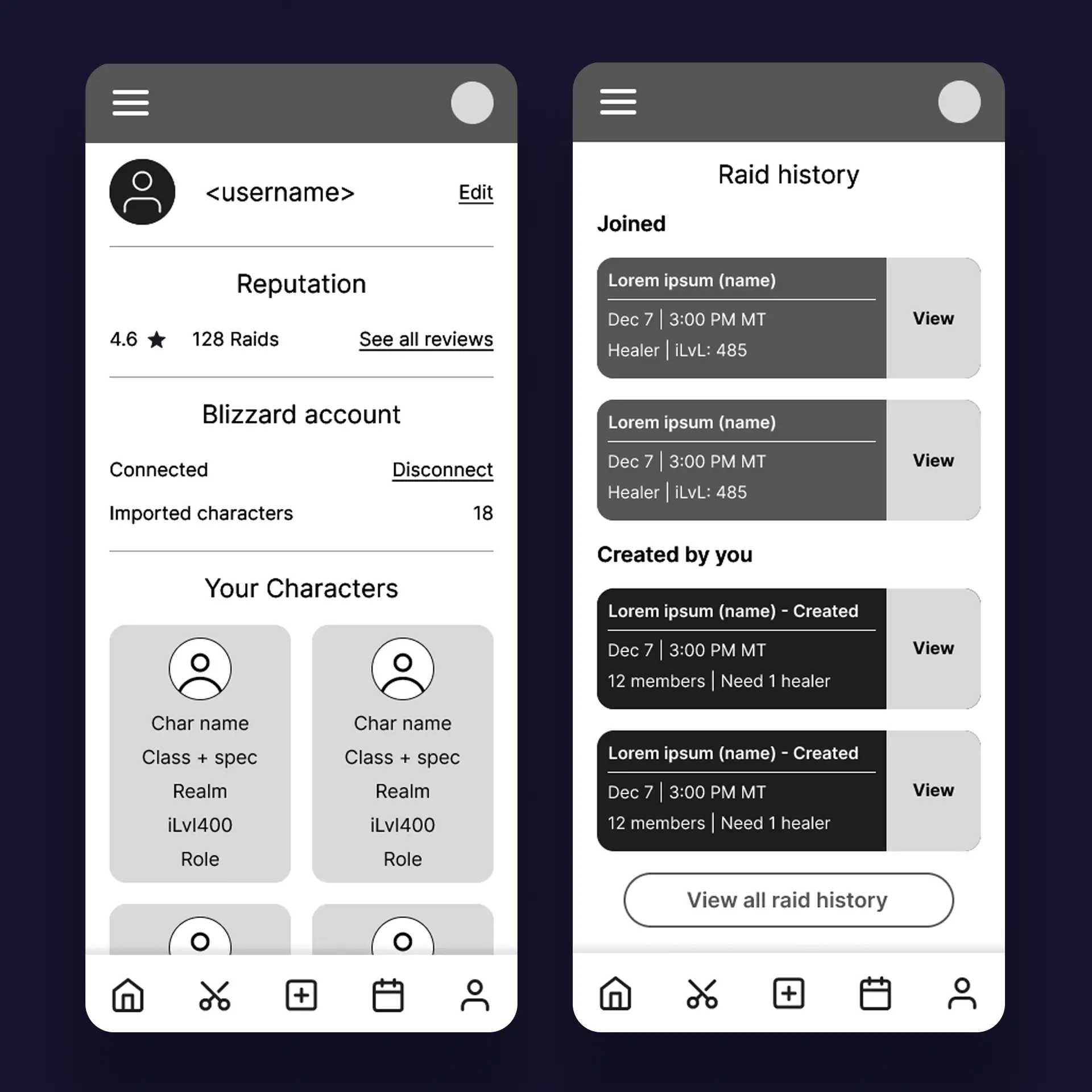
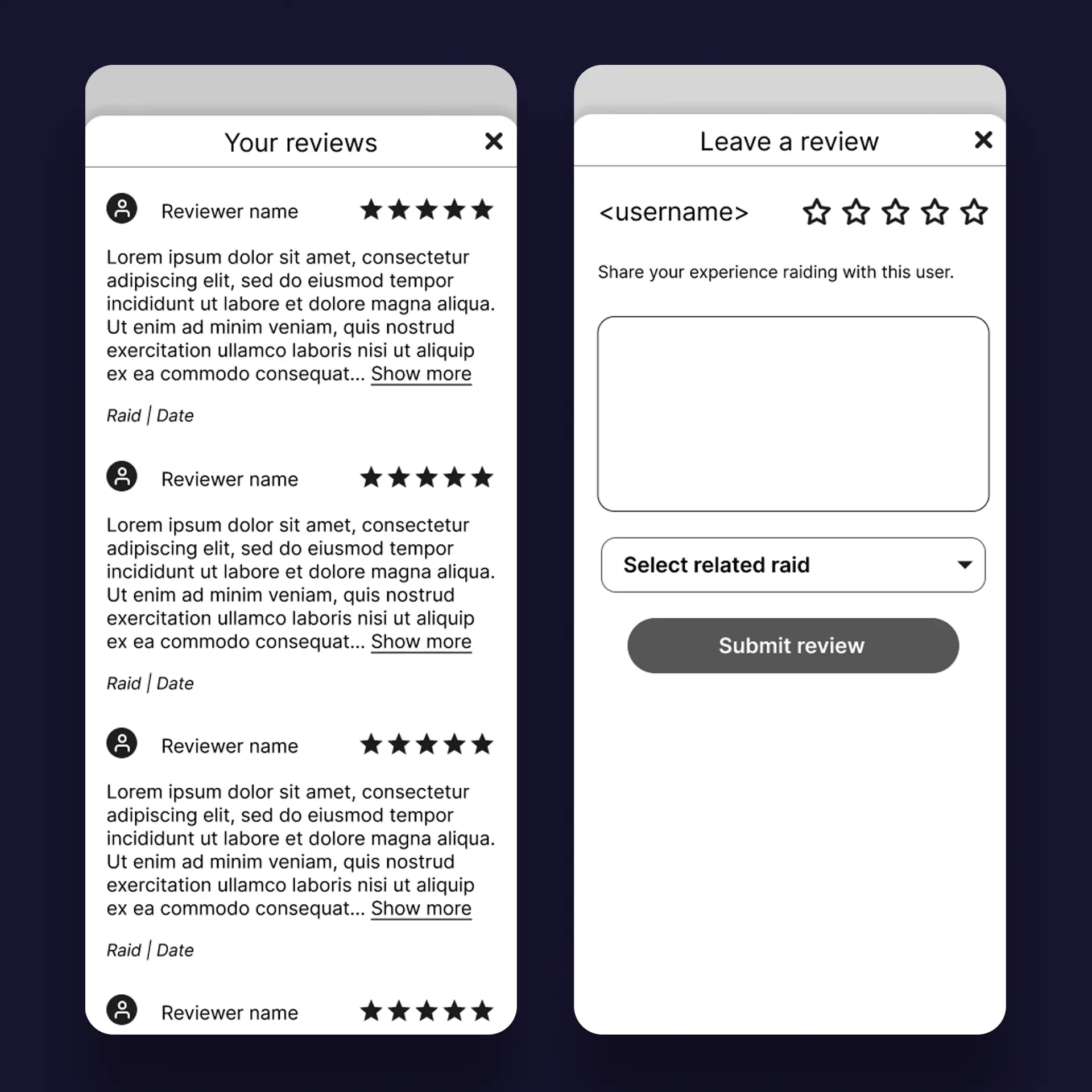
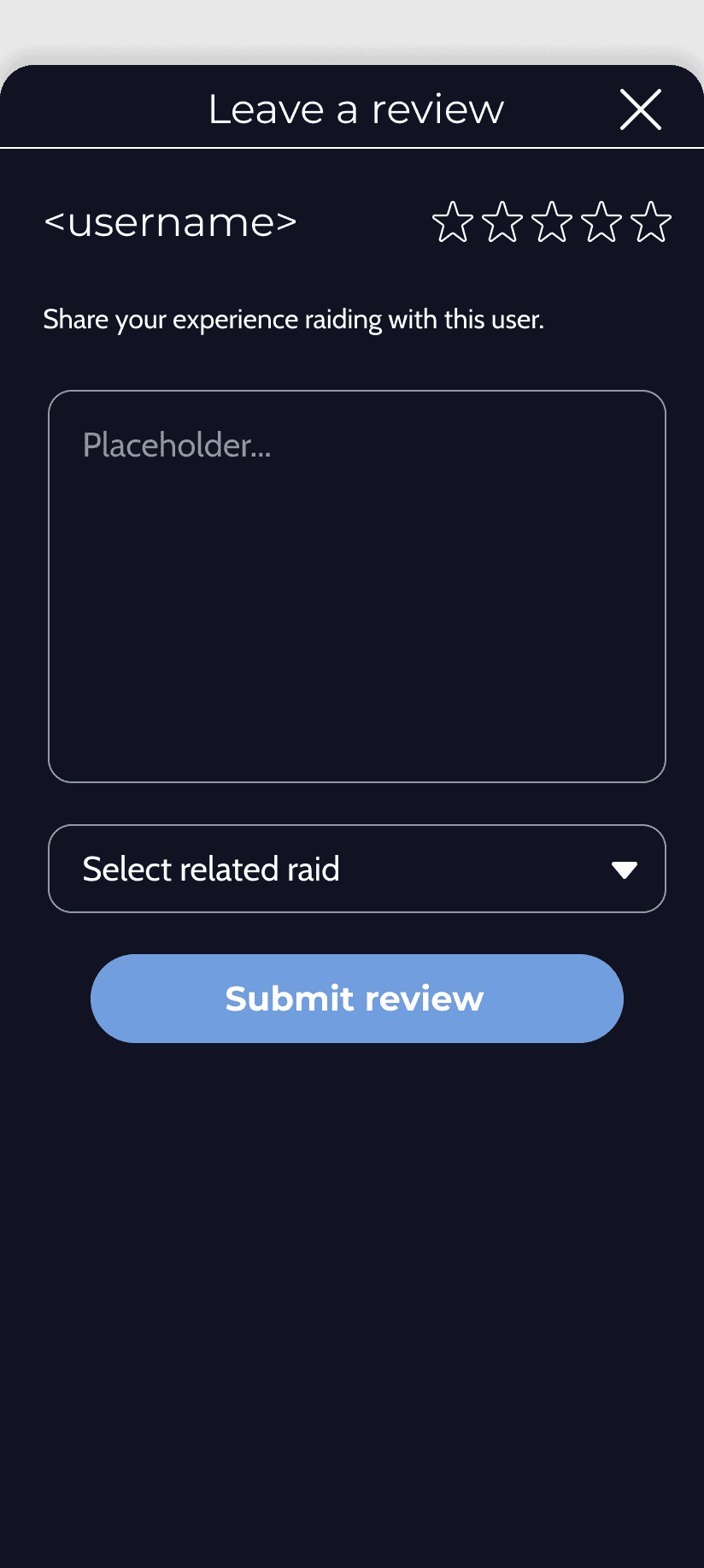
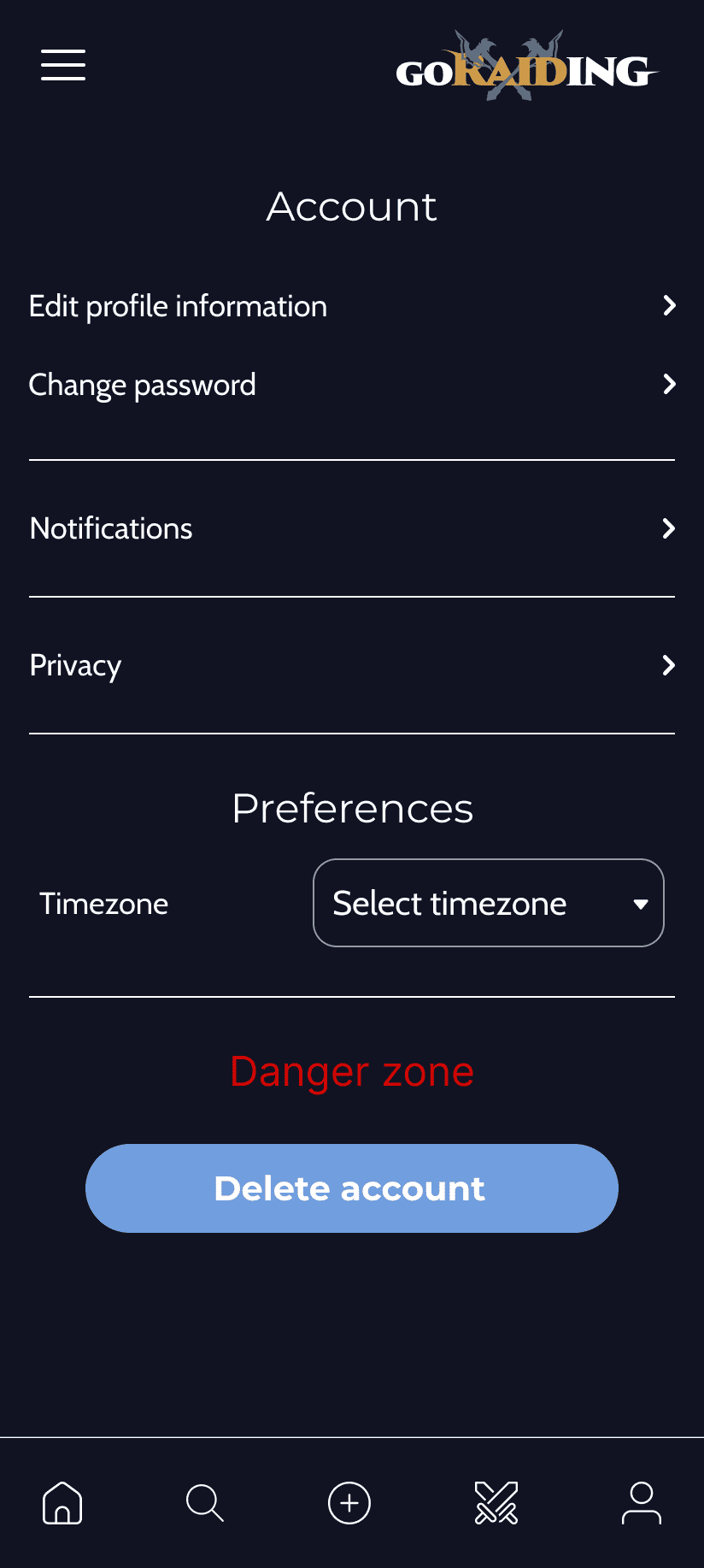
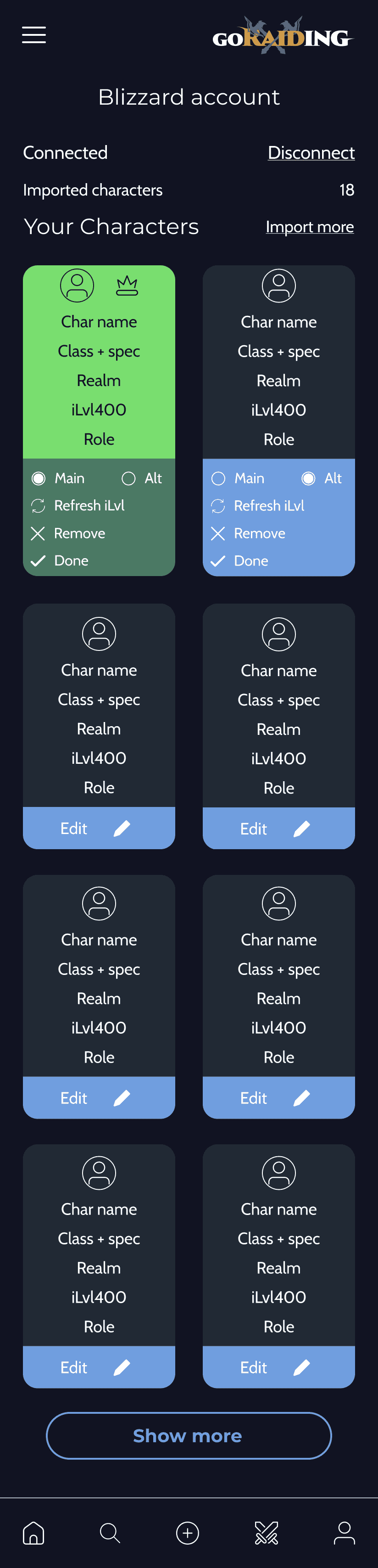
GoRaiding is an in-progress full-stack product for World of Warcraft players who need a better way to organize, browse, join, and manage raids outside the game. I created the product idea, designed the full mobile-first experience in Figma, and started the frontend implementation with reusable UI components, layout patterns, and raid browsing interactions. The planned full-stack build includes user accounts, Blizzard account connection, character import, raid applications, reviews, ratings, and approval-based raid participation.
Goals
- Problem: World of Warcraft players often need to organize raids outside the game, but raid leaders still need reliable context before accepting participants. In-game tools do not provide enough information about a player’s item level, role fit, raid history, reputation, or reliability, and older community tools like OpenRaid are no longer available.
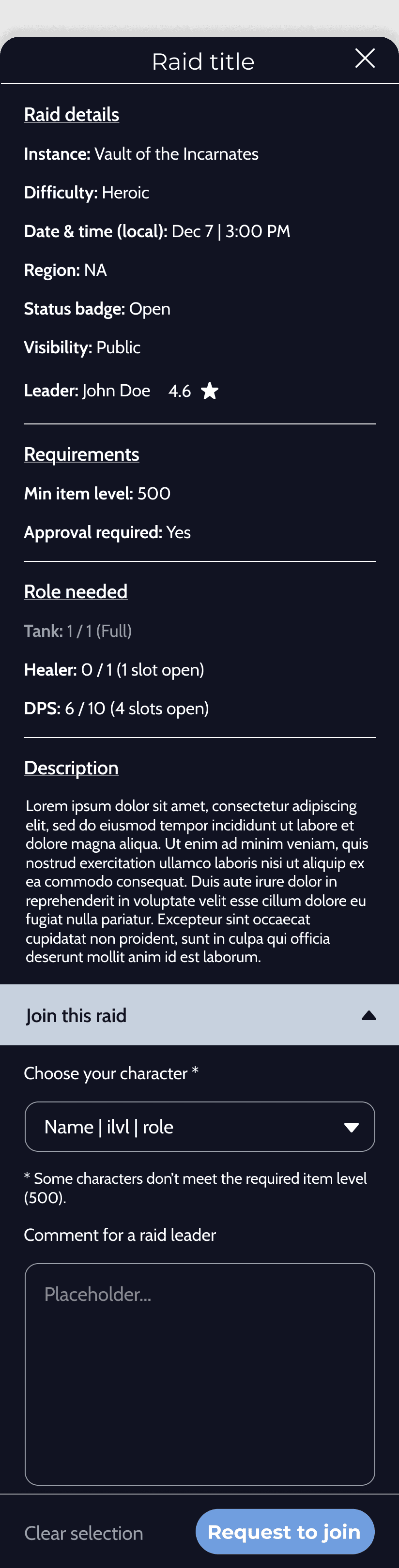
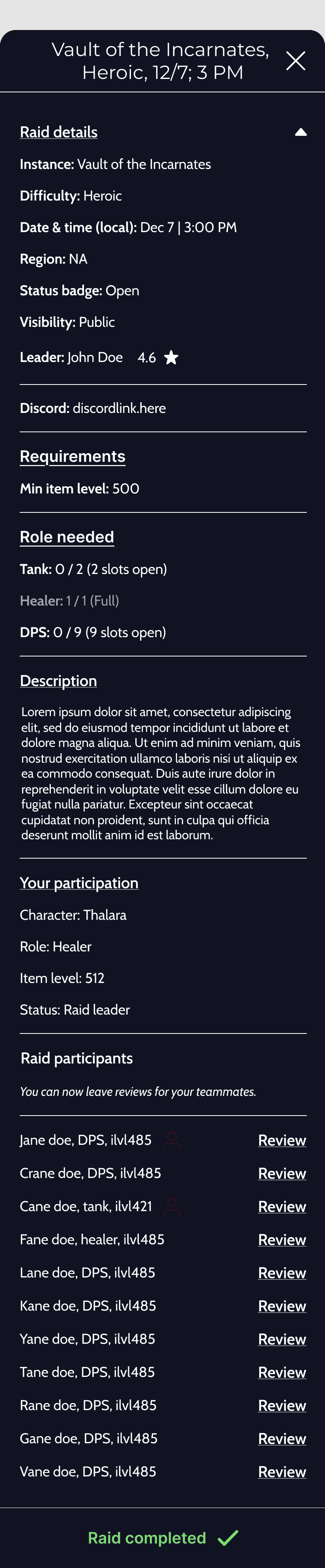
- Solution: GoRaiding gives players a dedicated place to create, browse, join, and manage raids with stronger player context. Raid leaders can review applicants, check character details, see ratings, and approve or reject requests. Players can browse available raids, select eligible characters, request to join groups, and build reputation through raid history and reviews.
UX Planning
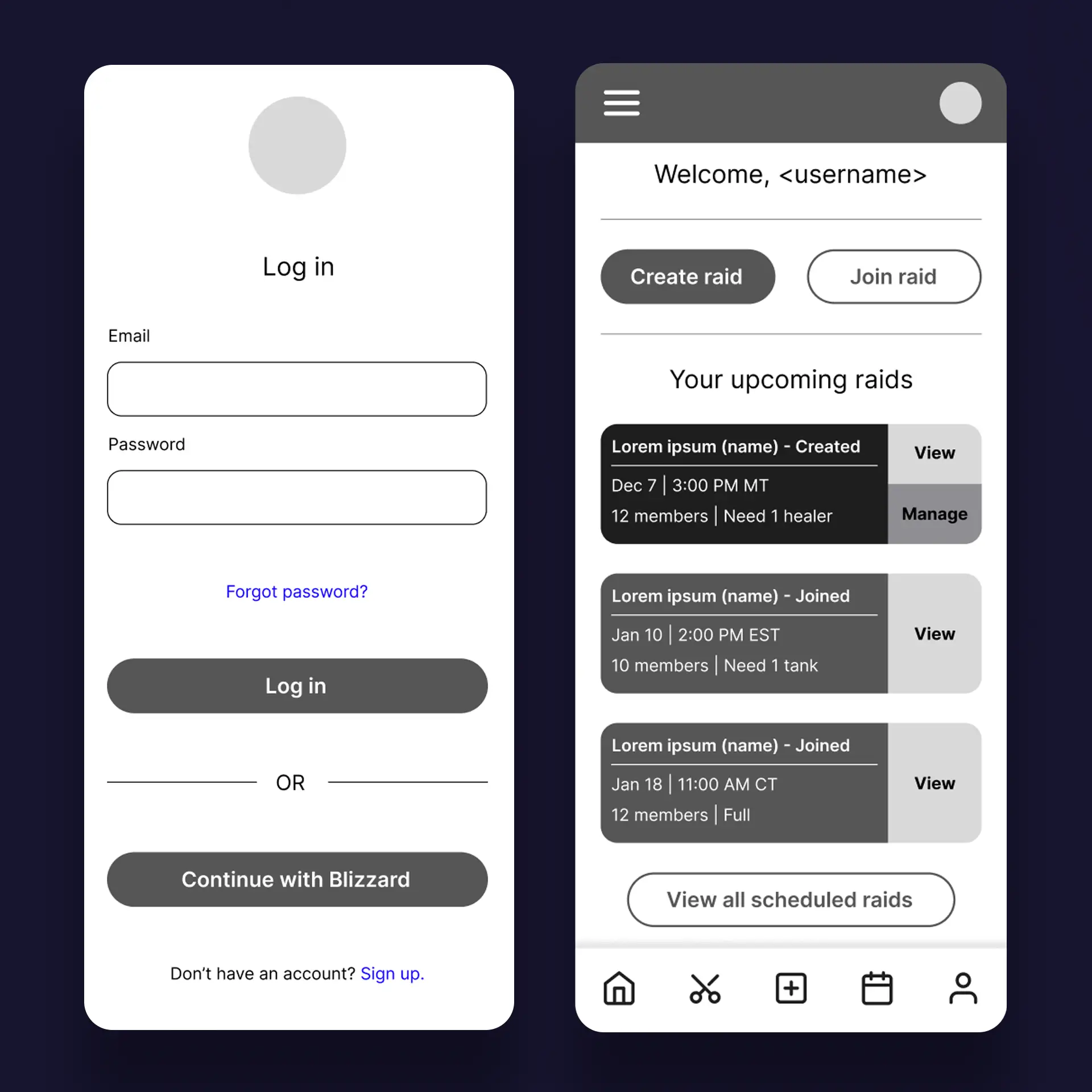
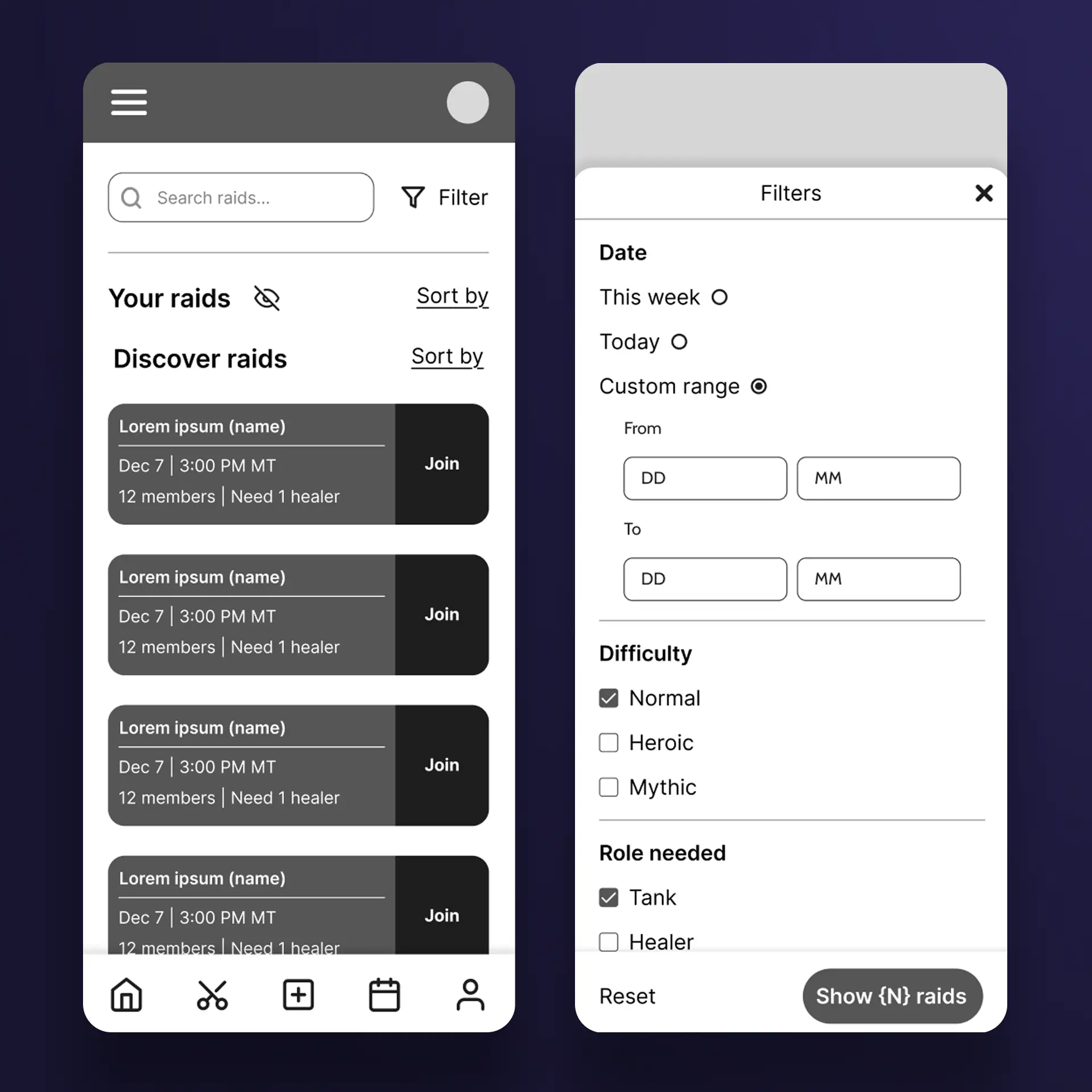
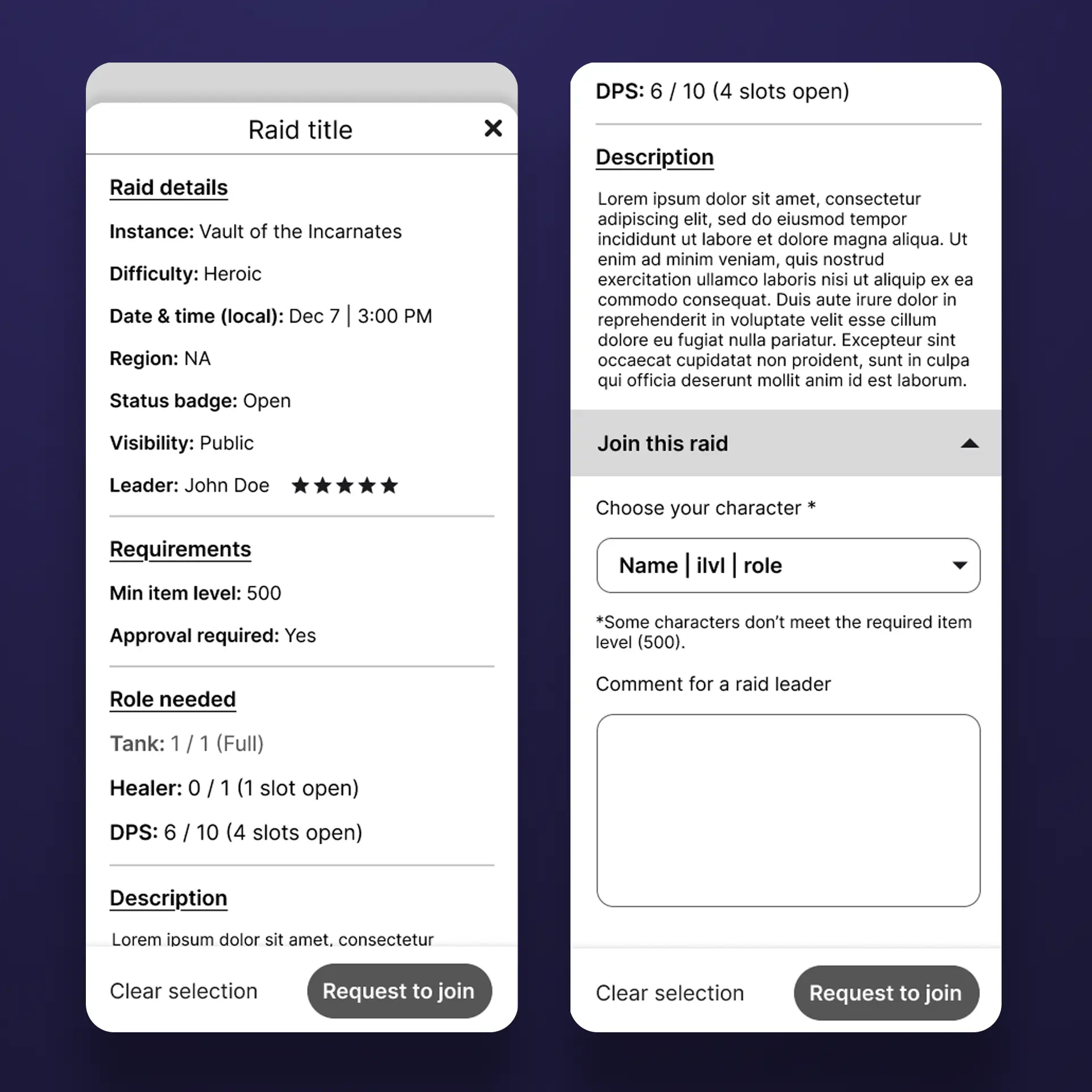
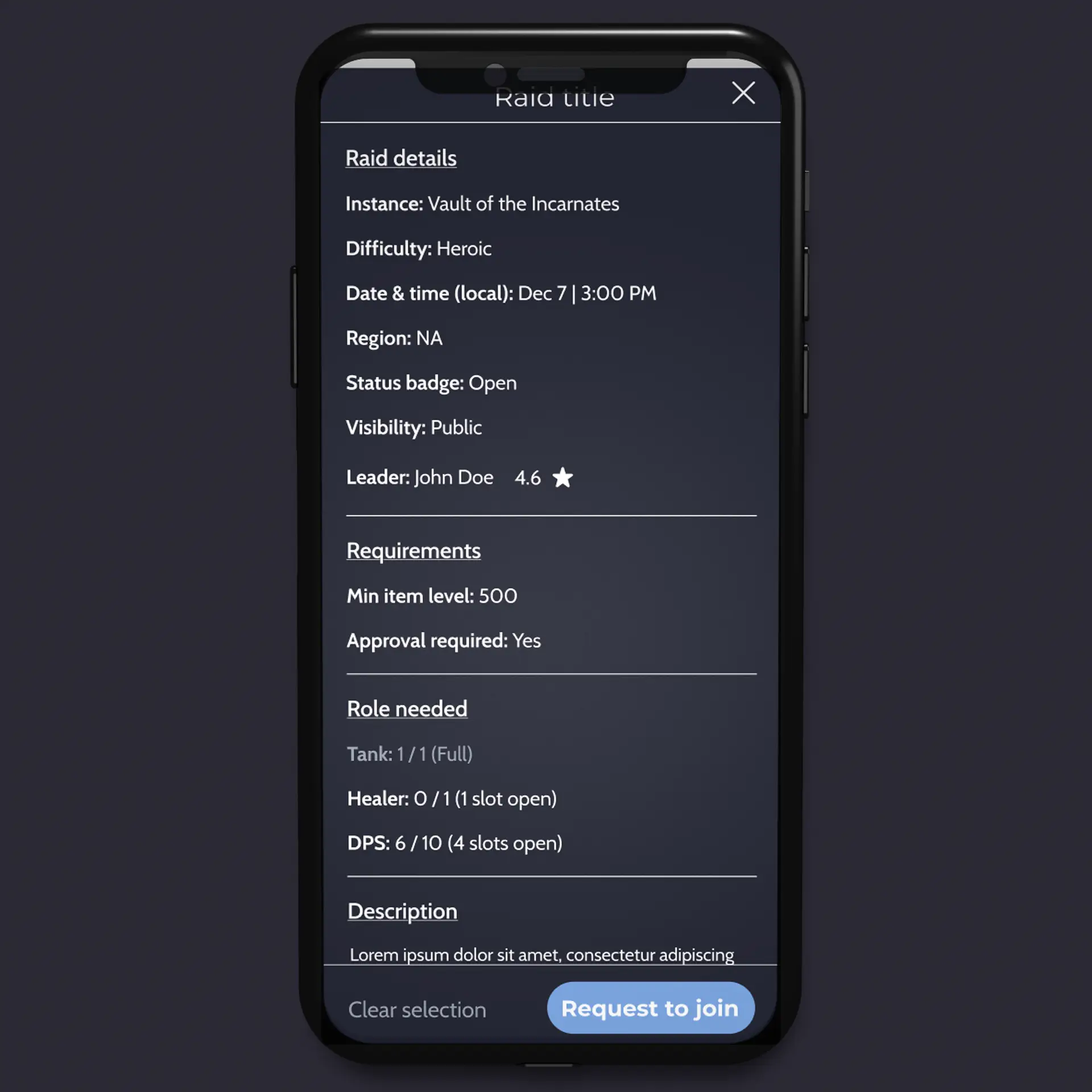
The UX planning started with research into old OpenRaid-style workflows, current World of Warcraft raid organization problems, and feedback from an experienced player. The main product decisions focused on mobile-first raid discovery, clear raid requirements, player reputation, character-aware joining, approval-based participation, and reducing navigation friction through bottom sheets and inline actions.
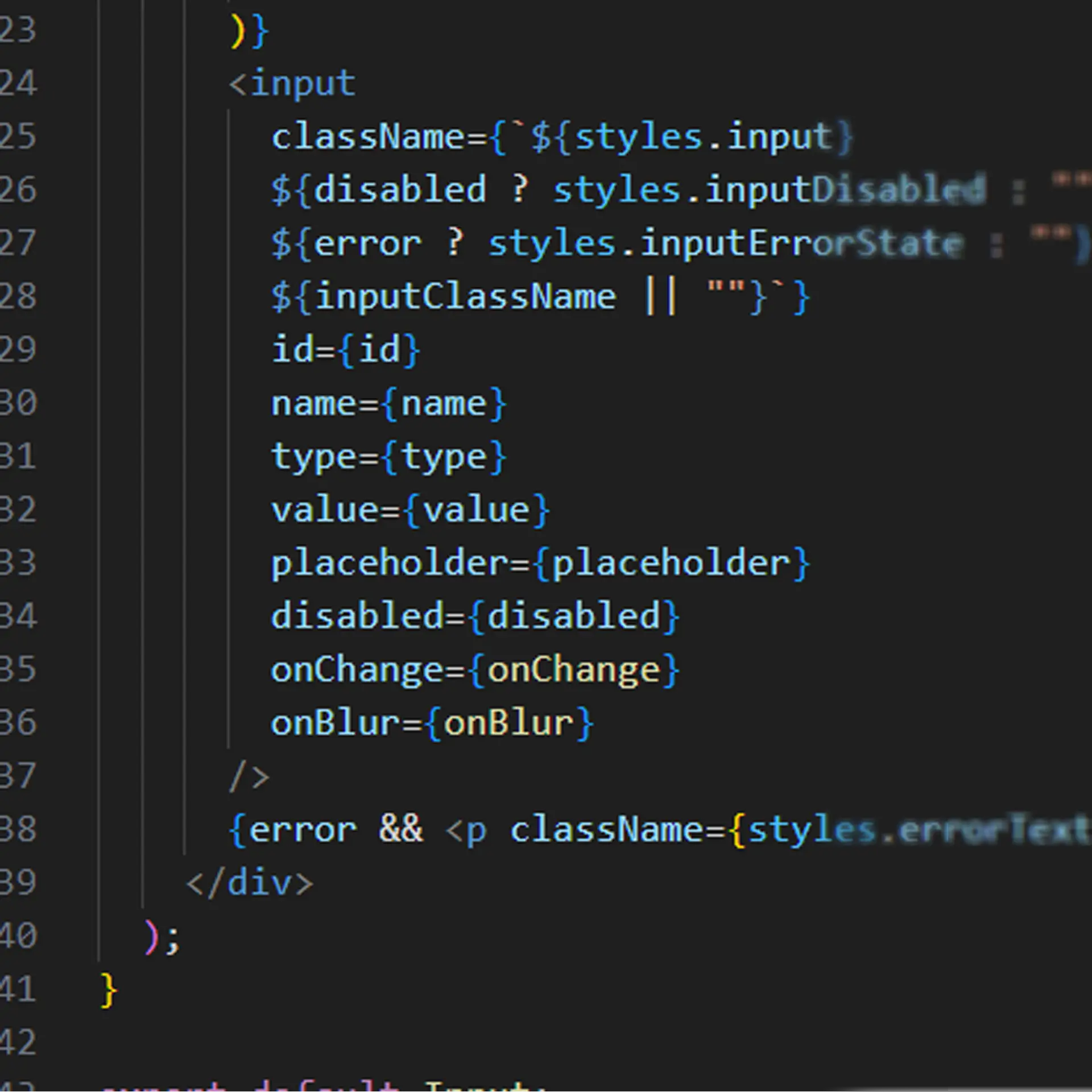
Current Development Process
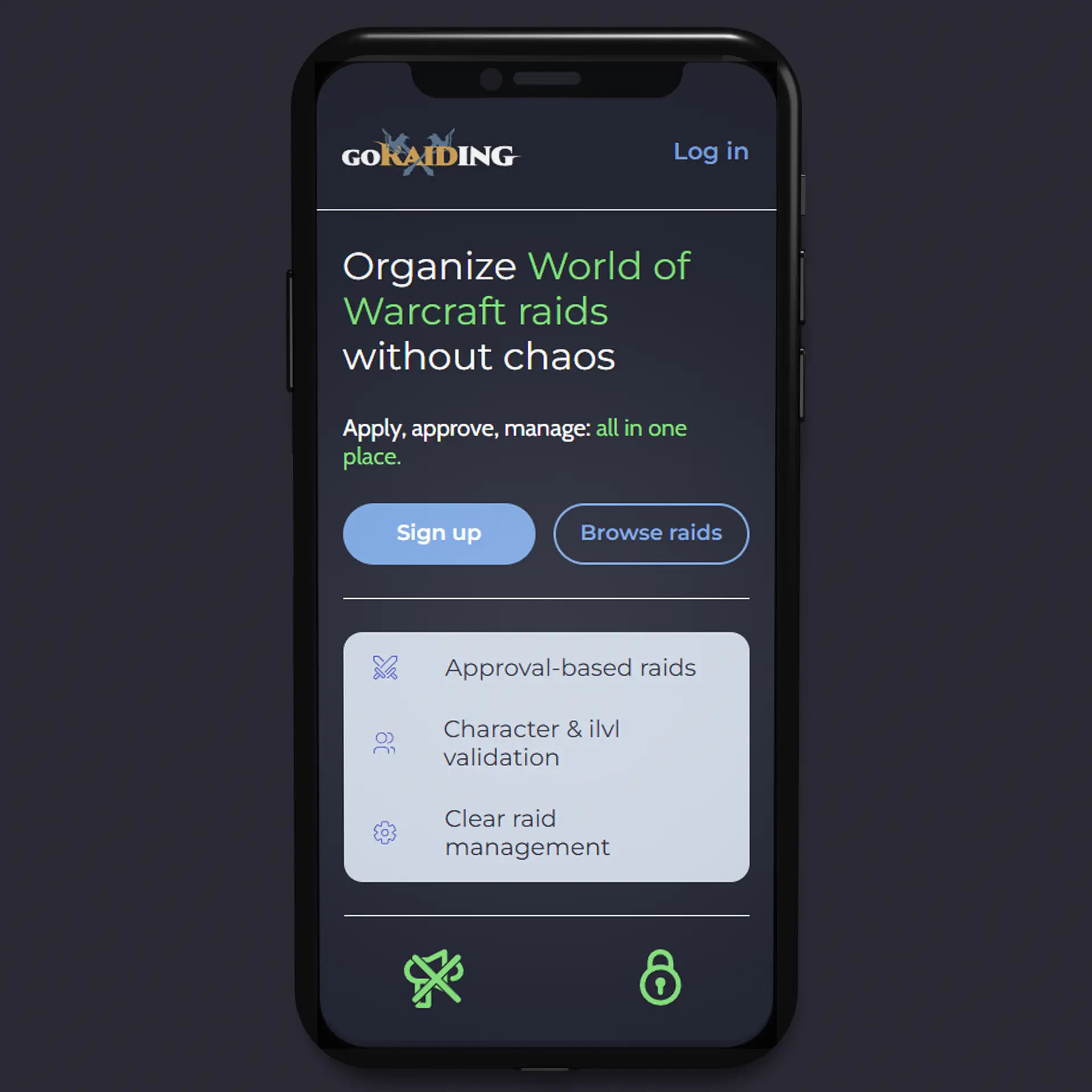
- Built the pre-auth landing page.
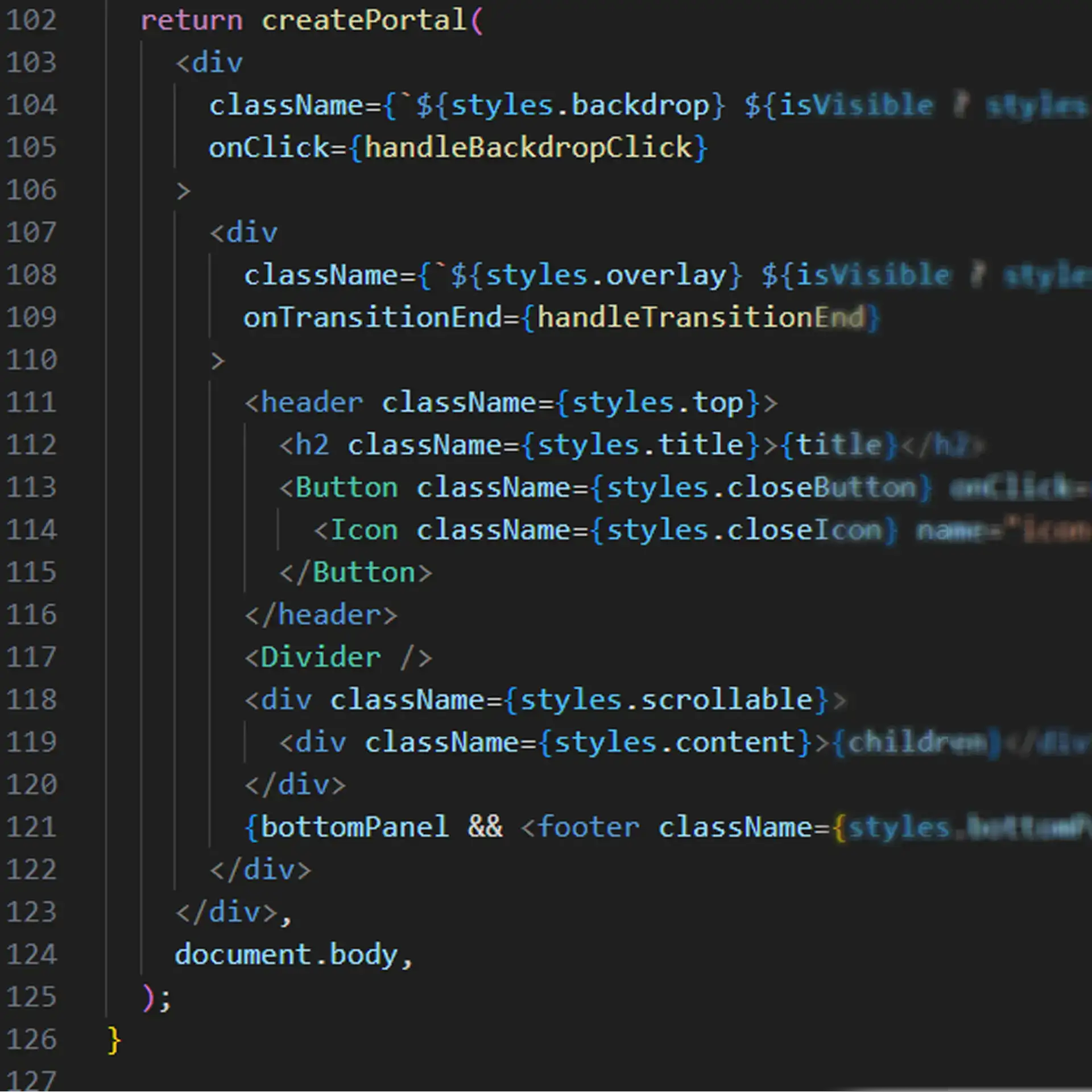
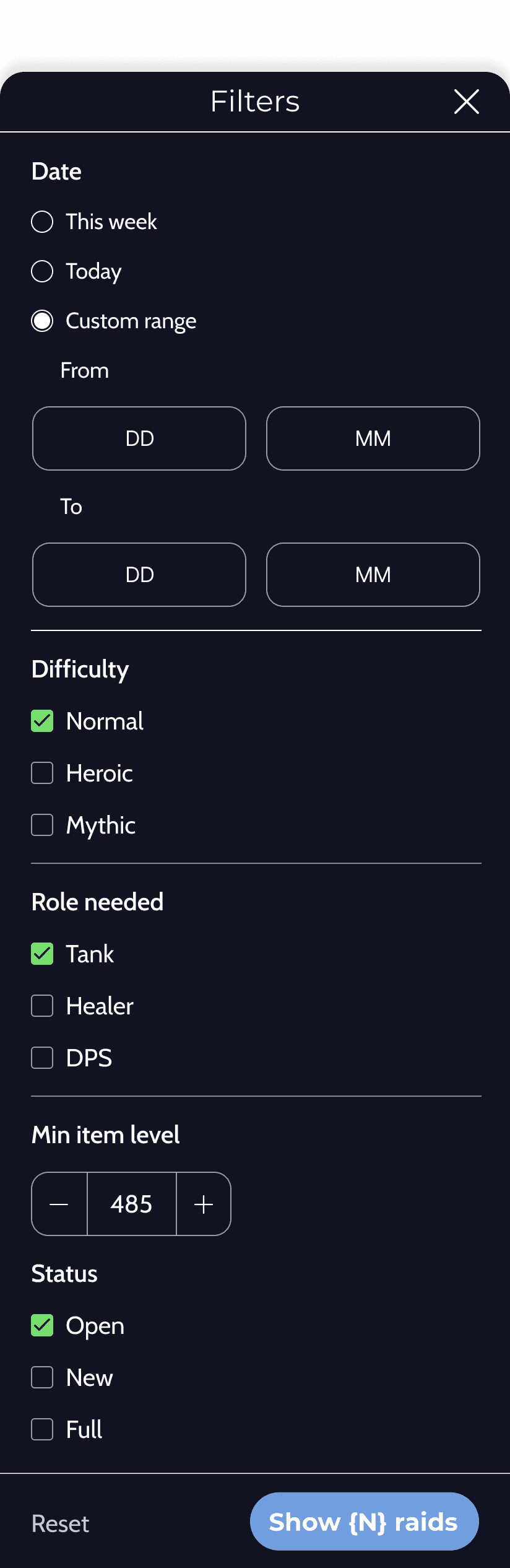
- Built a reusable bottom sheet component for modal-like mobile interactions.
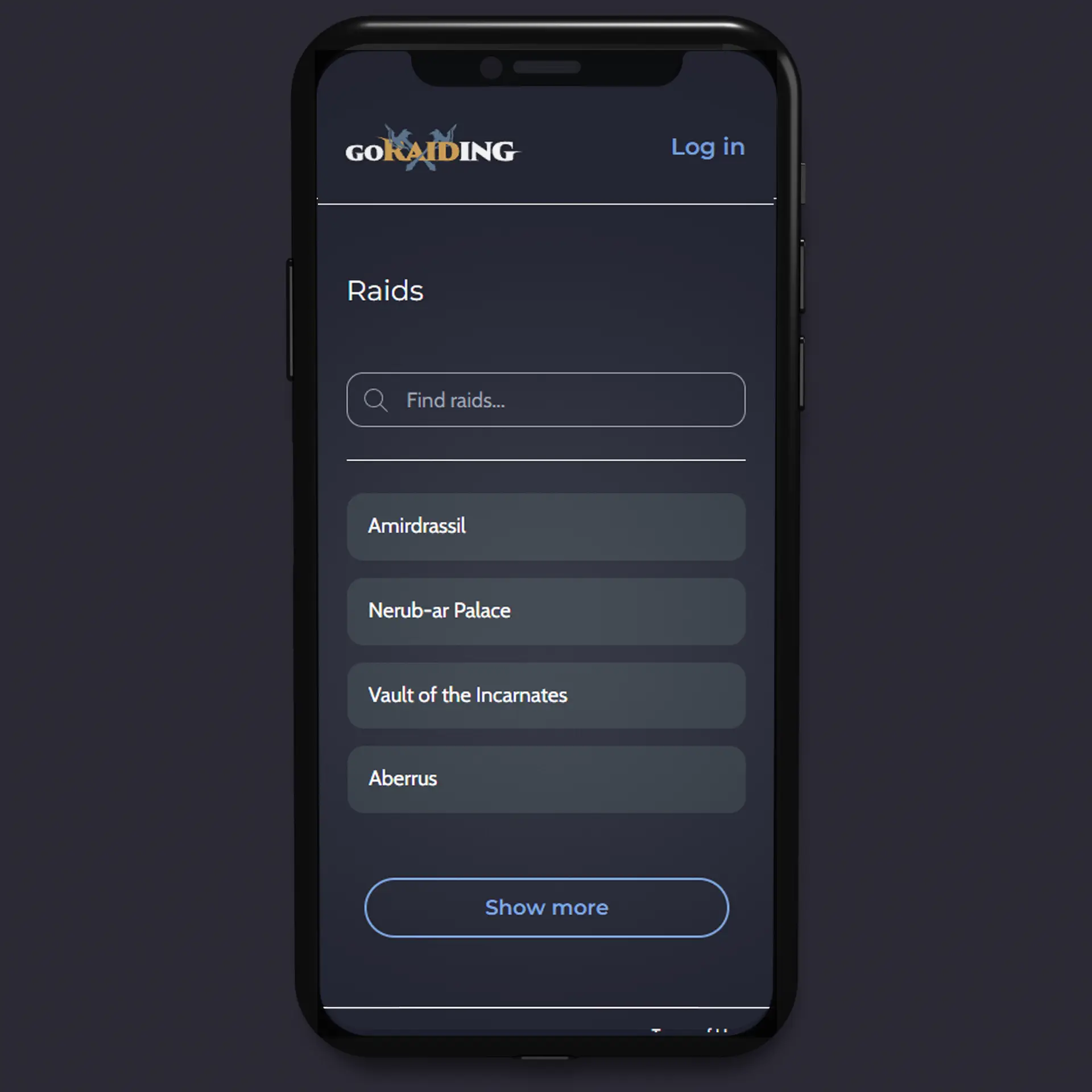
- Started the reusable frontend UI system for buttons, inputs, search, text areas, and raid browsing components.
- Using mock raid data while the backend and database are still planned.
- Collaborating with two developers on reusable components and frontend structure.
- Next step is building login and sign-up pages, then moving into core raid browsing and account flows.
My Role
- Created the product idea, feature direction, and full project scope
- Designed the full mobile-first UX/UI experience in Figma
- Researched OpenRaid, current World of Warcraft raid organization workflows, and player needs
- Interviewed an experienced World of Warcraft player to define core use cases, pain points, and missing features
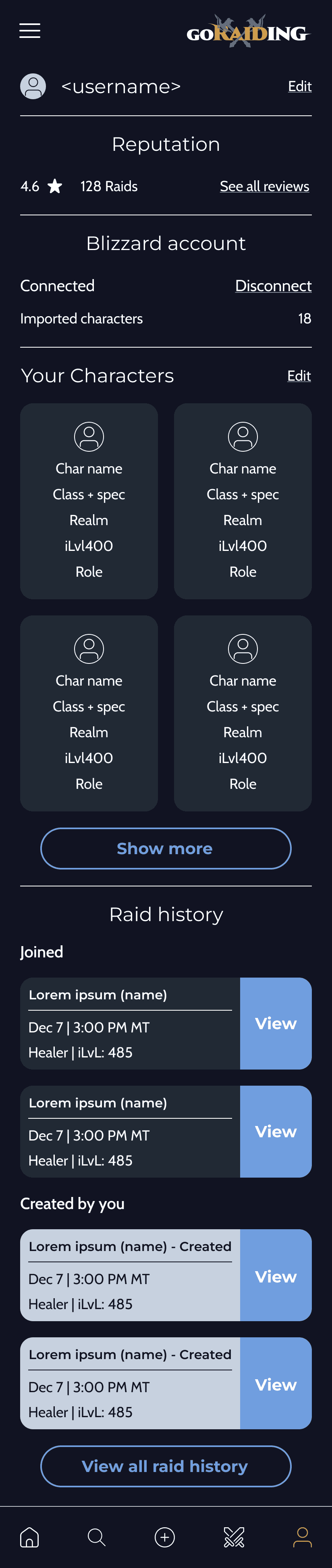
- Designed user flows for authentication, Blizzard account connection, character import, raid browsing, raid creation, raid applications, approvals, reviews, user profiles, settings, and character management
- Planned the full-stack architecture for users, raids, characters, applications, reviews, ratings, and Blizzard account integration
- Built the pre-auth landing page and started the frontend application structure
- Built a reusable bottom sheet component for mobile modal-style interactions
- Worked on reusable UI patterns for inputs, search, text areas, buttons, and raid browsing components
- Collaborated with two developers while owning the product concept, UX direction, and main design system
Key Features
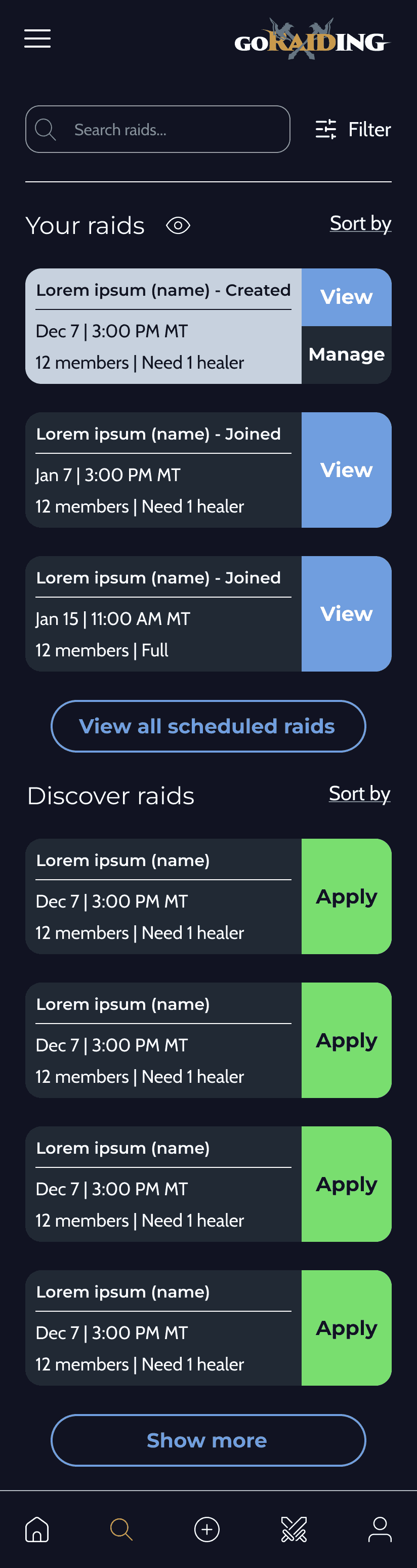
- Mobile-first raid browsing
- Raid creation and management planning
- Approval-based raid joining
- Character-aware raid applications
- Minimum item level and role checks
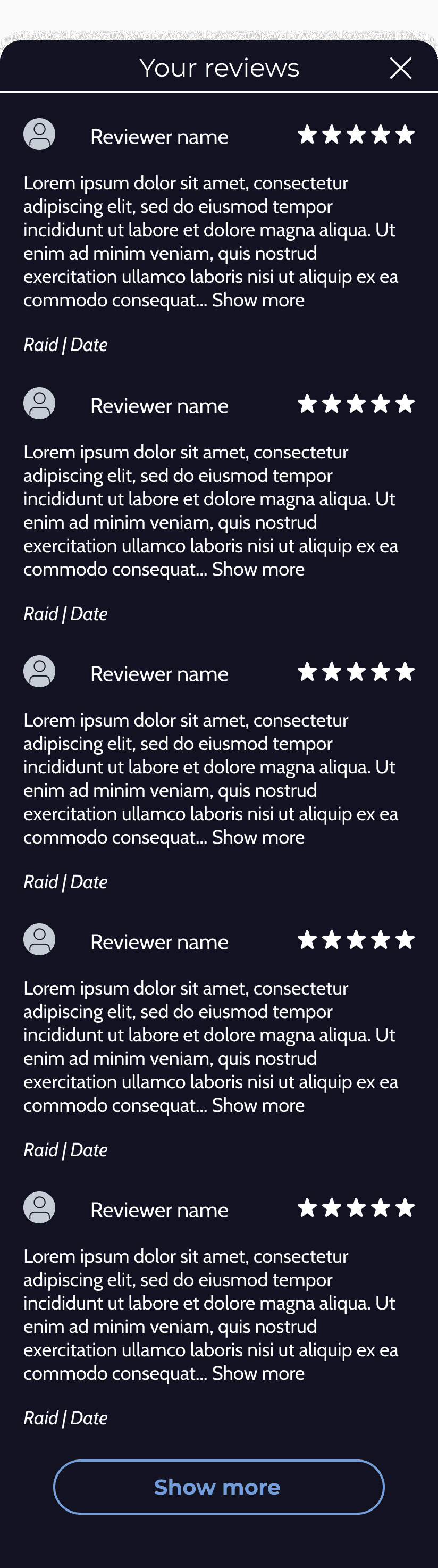
- Player reviews and ratings
- Raid history and reputation planning
- Blizzard account connection planning
- Reusable bottom sheet interactions
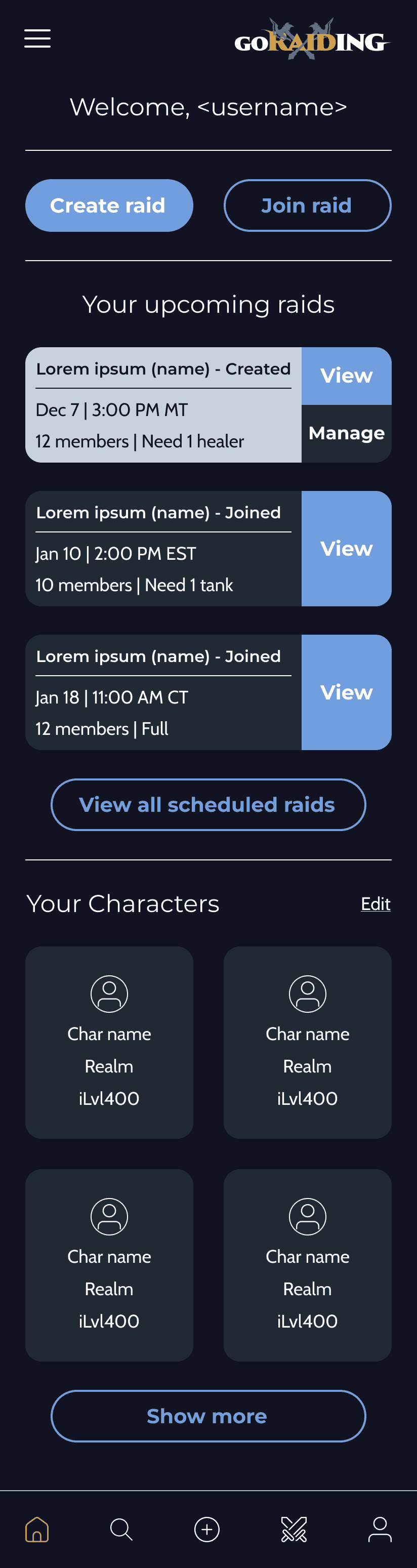
- Dashboard previews for created and joined raids
Tech Stack
- Next.js
- React
- Node.js
- TypeScript
- Express.js
- MongoDB
- TanStack Query
- Axios
- Figma
* Scroll inside the images to view full screens.


Next Steps
- Finish reusable UI components used across forms, raid cards, filters, and bottom sheets.
- Build login and sign-up screens.
- Implement raid browsing, raid cards, filters, and raid details flows.
- Build raid creation and raid management flows.
- Create backend models and API routes for users, raids, characters, applications, reviews, and ratings.
- Add Blizzard account connection and character import.
- Connect item level, role availability, character selection, and raid status to gated join logic.